Research and development happens inside businesses every day, often without anyone calling it “R&D.” Your team might be testing a new product design, refining a manufacturing process, building software, or solving an engineering challenge.
If you’re considering the R&D Tax Credit, identifying those activities is only the first step. You also need records showing what your team did, why, who was involved, and which expenses were tied to the work. Starting with tax years beginning after 2025, revised IRS Form 6765 requirements make that documentation more important than ever.
This article is for general educational purposes and is not tax, legal, or accounting advice. Eligibility depends on your specific facts, so consult your tax advisor.
Start With the IRS 4-Part Test
Under IRC Section 41, research generally must meet four requirements, evaluated for each business component:
Permitted Purpose
The work aims to improve a business component’s function, performance, reliability, or quality.
Helpful records: Project descriptions, product requirements, design documents.
Technological in Nature
The work relies on physical or biological sciences, engineering, or computer science.
Helpful records: Engineering documentation, source code, lab notes, design calculations.
Elimination of Uncertainty
At the start, you were uncertain about capability, method, or appropriate design. Ask: What didn’t we know when we started?
Helpful records: Feasibility assessments, engineering notes, project correspondence.
Process of Experimentation
Substantially all activities involve evaluating alternatives through modeling, simulation, prototyping, testing, or systematic trial and error.
Helpful records: Test plans and results, design iterations, failed approaches. Unsuccessful experiments count too.
Think in Business Components
A business component is a product, process, software, technique, formula, or invention. The revised Form 6765 organizes R&D reporting around these components rather than one company-wide pool of activity.
For tax years beginning after 2025, Section G is generally required, with exceptions for certain small businesses and taxpayers below specified thresholds. Filers generally report components representing at least 80% of total qualified research expenses (QREs), up to 50 components, including wages, supplies, contract research, and whether each component is new or improved. Component names should match how your company tracks work in its books and records.
A Simple Framework
For example, a company developing a new manufacturing process might document:
Uncertainty: Could the target production speed be achieved while maintaining required tolerances?
Experimentation: Engineers tested multiple equipment configurations and process parameters.
People: The specific engineers who designed, tested, and evaluated.
Expenses: Associated wages, supplies, and contract research.
Use What You Already Have
Audit-ready documentation doesn’t require a new system. Software companies have development tickets, Git histories, and bug reports. Manufacturers have prototype records, engineering change orders, and quality reports. Pair these with payroll records, invoices, and contracts that connect expenses to specific activities. Remember: a job title alone doesn’t establish qualified wages. The work performed does.
Document as You Go
Reconstructing a year of R&D at tax time is hard. Employees change roles, failed tests are forgotten, and files get archived. Capture objectives, uncertainties, alternatives tested, and participants while the work is happening.
Common Mistakes to Avoid When Documenting for Research and Development
- Documenting R&D only at the department level
- Using vague descriptions like “product development”
- Recording successes but not failed alternatives
- Keeping financial records disconnected from project documentation
- Assuming every development expense qualifies
Amended return claims carry their own requirements, including identifying business components, the research activities for each, and total qualified wages, supplies, and contract research. That’s another reason to track R&D at the component level.
How GOAT.tax Helps with R&D Documentation
GOAT.tax is R&D tax credit software that provides a guided, structured workflow for organizing business components, research activities, employees, QREs, and supporting documentation in one place, replacing scattered spreadsheets and emails. Wages can be imported directly from your payroll provider or by CSV, and your CPA, your team, and Source Advisors’ technical specialists work from the same secure portal. The software brings structure to the process but does not make eligibility decisions. Businesses remain responsible for evaluating their claims and should involve their CPA or tax advisor when professional judgment is needed.

How to Document Your R&D Activities: An Audit-Ready Guide
Learn how to document R&D activities for the R&D Tax Credit, from the 4-Part Test to new Form 6765 business component reporting requirements.
R&D Tax Credit vs. R&D Tax Deduction: What's the Difference?
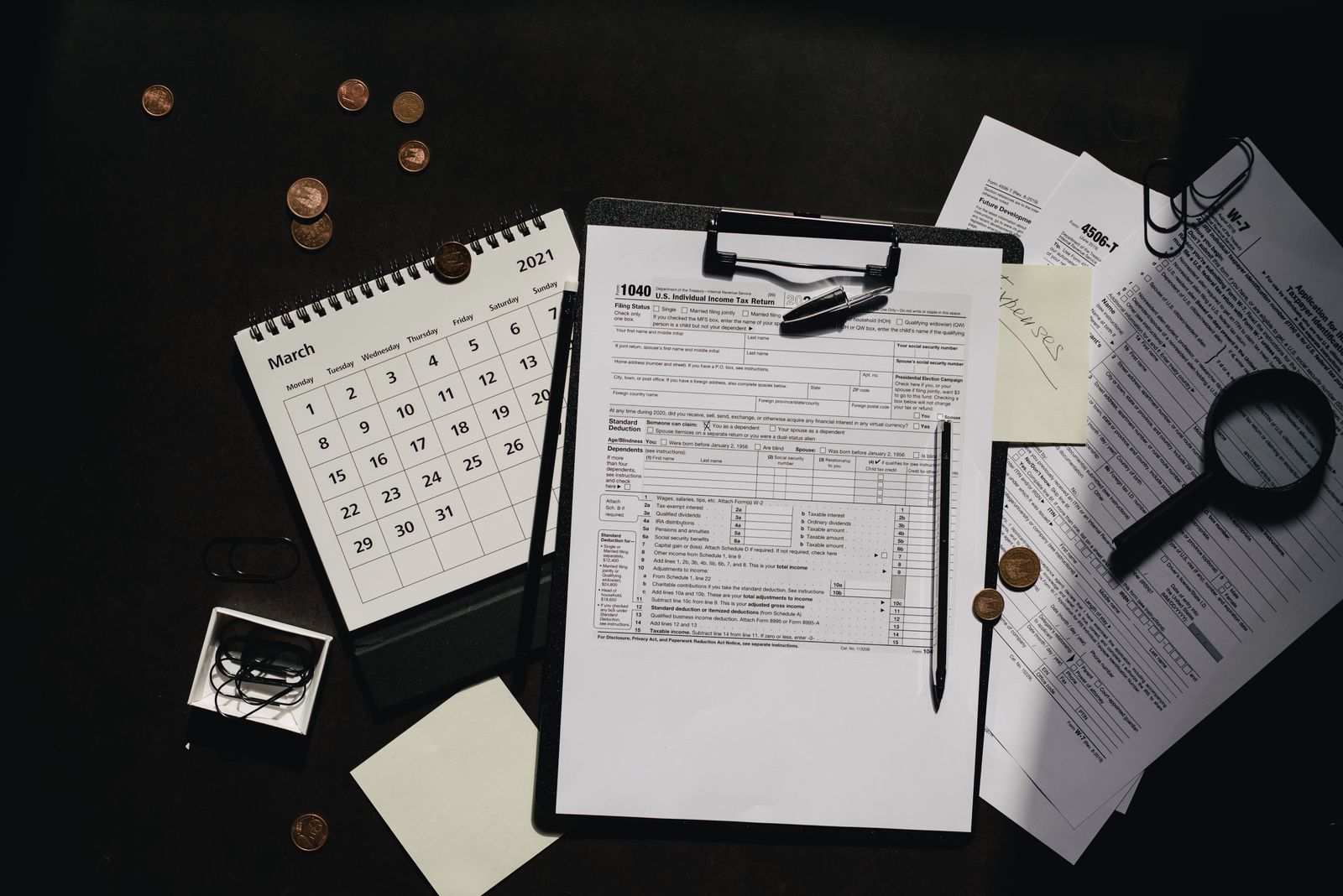
Businesses that invest in research and development may encounter two tax concepts that sound similar but work very differently: the R&D tax credit and the R&D tax deduction. Both relate to research and development spending, but they are not interchangeable. They operate under different sections of the tax code, affect a business's taxes differently, and have different qualification rules.
R&D Tax Credit for Manufacturing Companies: What CPAs Need to Know
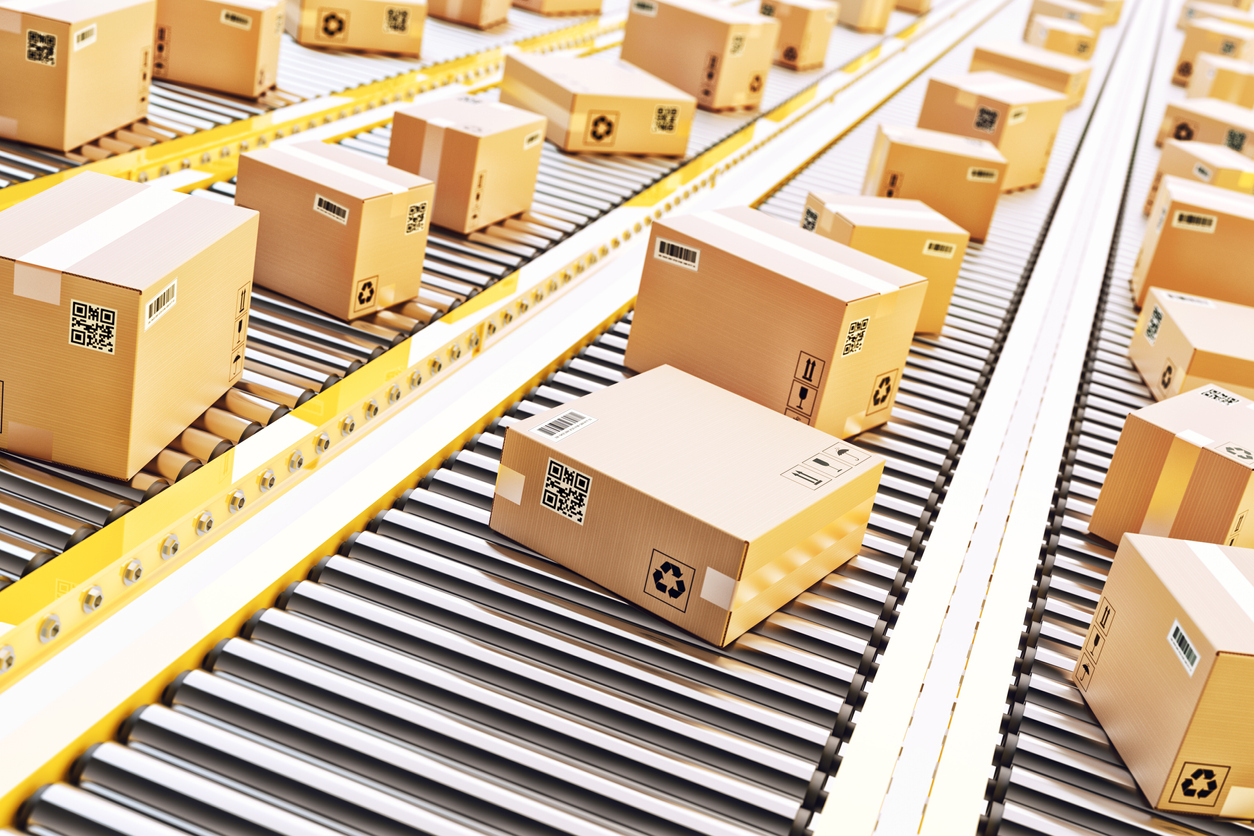
Manufacturing clients are among the strongest candidates for the federal R&D tax credit, yet many never claim it. The work that qualifies often looks like everyday operations: engineers refining a product, a production team automating a line, or a quality group testing new materials to cut scrap. For CPAs, that creates an opportunity to deliver real value by recognizing qualifying activity early. This guide covers which manufacturing activities and expenses may qualify, how the Four-Part Test applies, what documentation matters, and the questions that can help uncover R&D opportunities with your clients.